
Introduction
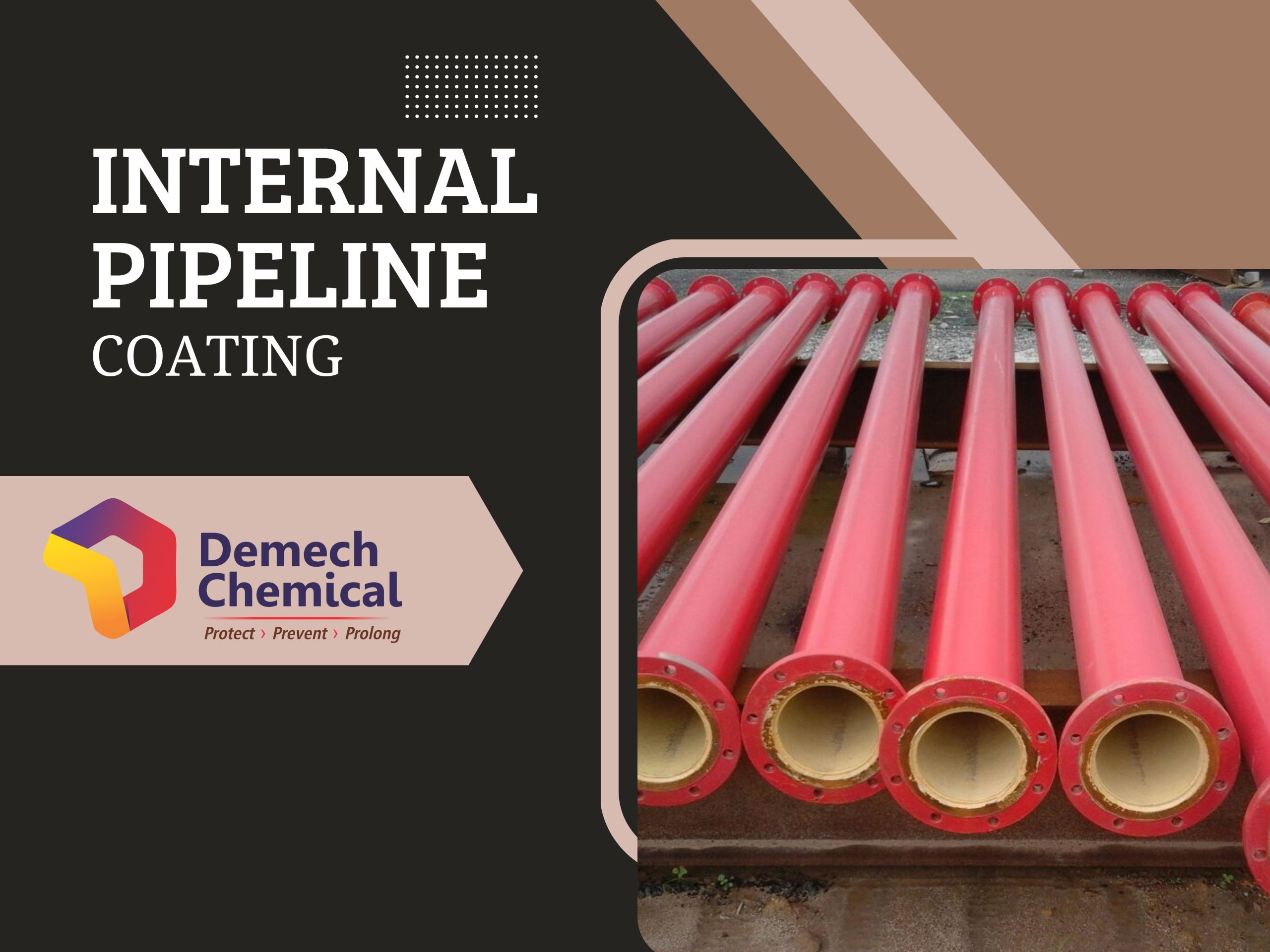
Pipelines are critical assets in industries such as oil and gas, power generation, water treatment, mining, chemical processing, and manufacturing. Over time, the internal surfaces of pipelines are exposed to corrosive chemicals, abrasive particles, moisture, and varying temperatures that can significantly reduce their service life. This is where Internal Pipeline Coating plays a vital role.
Internal pipeline coating is a protective lining applied to the inner surface of pipes, tanks, vessels, and related equipment to prevent corrosion, erosion, scaling, and chemical attack. By creating a durable barrier between the substrate and the transported media, internal coatings help improve operational efficiency, reduce maintenance costs, and extend asset life.
What Is Internal Pipeline Coating?
Internal pipeline coating is a specialized protective coating system designed to safeguard the internal surfaces of pipelines against corrosion, abrasion, and chemical degradation. These coatings enhance the durability of pipelines while maintaining smooth fluid flow and reducing friction losses.
Industries handling water, chemicals, slurry, hydrocarbons, or corrosive fluids rely heavily on internal coating systems to ensure safe and efficient operations.
Why Is Internal Pipeline Coating Important?
The absence of proper internal pipeline coating can lead to:
- Internal corrosion and rust formation
- Reduced flow efficiency
- Product contamination
- Increased maintenance costs
- Premature pipeline failure
- Costly shutdowns and repairs
A high-performance internal coating system protects valuable infrastructure and significantly improves asset reliability.
Types of Internal Pipeline Coating
1. Epoxy Coating
Epoxy coatings are widely used due to their excellent adhesion, chemical resistance, and corrosion protection properties. They create a hard, durable barrier that withstands aggressive operating conditions.
Key Benefits:
- Excellent corrosion resistance
- Strong adhesion to metal surfaces
- High mechanical strength
- Long service life
2. Polyurethane Coating
Polyurethane coatings provide exceptional flexibility, impact resistance, and abrasion protection. They are ideal for pipelines exposed to mechanical wear and demanding environments.
Key Benefits:
- Superior abrasion resistance
- Crack-bridging capability
- High flexibility
- Excellent impact resistance
3. Glass Flake Coating
Glass Flake Coating consists of microscopic glass flakes dispersed within an epoxy or vinyl ester matrix. These flakes create a highly impermeable barrier that dramatically reduces moisture and chemical penetration.
Key Benefits:
- Outstanding corrosion resistance
- Low permeability
- Excellent chemical resistance
- Extended asset lifespan
- Superior protection in aggressive environments
Internal Pipeline Coating Application Methods
Spray Application
Spray coating is the most widely used application method for internal pipeline coating. Specialized spray equipment ensures uniform coating thickness and complete surface coverage.
Advantages:
- Fast application
- Consistent coating thickness
- Suitable for various pipe diameters
Brush and Roller Application
Brush and roller methods are commonly used for small sections, repairs, and difficult-to-access areas.
Advantages:
- Cost-effective
- Ideal for touch-up applications
- Precise coating placement
Internal Pipe Spraying
This method involves spraying coating materials inside the pipe while rotating specialized equipment to achieve even distribution.
Advantages:
- Uniform internal coverage
- Effective for long pipelines
- Suitable for complex geometries
Applications of Internal Pipeline Coating
Pump Casings

Pump casings are continuously exposed to erosion, abrasion, and corrosion. Internal coatings protect these components and improve operational reliability.
Cooling Water Tower Headers
Internal coating prevents corrosion, scaling, and chemical attack in cooling water systems, ensuring efficient heat transfer and long-term performance.
Tanks and Vessels
Storage tanks and process vessels benefit from internal coatings that prevent contamination, corrosion, and product degradation.
Internal & External Pipelines and Bends
Pipelines, elbows, bends, and joints require durable protective coatings to resist corrosion, abrasion, and mechanical wear.
Chemical Processing Industries
Chemical plants use specialized corrosion-resistant coatings to withstand aggressive chemicals and maintain process safety.
Penstocks
Hydroelectric power plants and irrigation systems utilize coated penstocks to reduce corrosion and erosion while improving operational efficiency.
Recommended Products for Internal Pipeline Coating
Koroglass™ 1000
Koroglass™ 1000 is a high-performance glass flake coating specifically developed for severe corrosion environments. It offers outstanding chemical resistance, low permeability, and long-term protection for internal pipeline applications.
Features:
- Excellent corrosion protection
- High chemical resistance
- Superior adhesion
- Long service life
Superglass™ Series
The Superglass™ Series includes advanced glass flake coating systems designed for demanding industrial environments.
Features:
- Enhanced chemical resistance
- Excellent barrier protection
- Superior durability
- Suitable for a wide range of pipeline applications
Koroguard® 1000
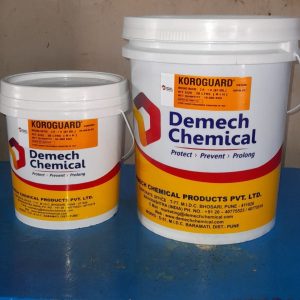
Koroguard® 1000 is a high-build epoxy coating designed to protect metal and concrete surfaces against corrosion and erosion.
Features:
- High-build protection
- Excellent adhesion
- Superior durability
- Ideal for aggressive environments
Polyguard® 1000
Polyguard® 1000 is a premium elastomeric polyurethane coating system offering exceptional resistance to corrosion, impact, and mechanical wear.
Features:
- 100% solids formulation
- Crack-bridging capability
- Impact resistance
- Excellent abrasion protection
Benefits of Internal Pipeline Coating
Superior Corrosion Protection
Internal coatings create a protective barrier that prevents moisture, chemicals, and corrosive substances from attacking the pipeline substrate.
Extended Service Life
Properly coated pipelines last significantly longer, reducing replacement and maintenance costs.
Improved Flow Efficiency
Smooth coated surfaces reduce friction and pressure losses, resulting in improved flow rates and lower energy consumption.
Reduced Maintenance Costs
Internal pipeline coating minimizes repair frequency and unexpected downtime.
Enhanced Asset Reliability
Coated pipelines perform more consistently and reliably under demanding operating conditions.
Challenges in Internal Pipeline Coating
Surface Preparation
Successful coating performance depends on proper surface preparation. Abrasive blasting and cleaning remove rust, scale, grease, and contaminants.
Coating Compatibility
Selecting the appropriate coating system based on fluid chemistry, temperature, and operating conditions is essential.
Environmental Compliance
Modern coating technologies increasingly focus on low-VOC and environmentally responsible formulations while maintaining superior performance.
How to Select the Right Internal Pipeline Coating
When choosing an internal pipeline coating, consider:
- Type of fluid being transported
- Operating temperature
- Chemical exposure
- Abrasion levels
- Pipeline material
- Service life requirements
- Environmental conditions
Consulting with coating specialists helps ensure optimal coating selection for long-term performance.
Frequently Asked Questions (FAQs)
1. What is internal pipeline coating?
Internal pipeline coating is a protective lining applied to the inside of pipes to prevent corrosion, abrasion, erosion, and chemical attack.
2. How long does internal pipeline coating last?
Depending on the coating type, operating conditions, and maintenance practices, internal pipeline coatings can last between 5 and 20 years or more.
3. Can internal pipeline coating be applied to existing pipelines?
Yes. Existing pipelines can be cleaned, surface-prepared, and coated during maintenance or refurbishment projects.
4. Which coating is best for corrosion protection?
Glass flake coatings and high-performance epoxy coatings are widely recognized for providing excellent corrosion resistance.
5. What industries use internal pipeline coating?
Oil & gas, power plants, water treatment, chemical processing, mining, marine, fertilizer, paper, sugar, and steel industries extensively use internal pipeline coatings.
6. Does internal pipeline coating improve flow efficiency?
Yes. Smooth coated surfaces reduce friction, improve flow characteristics, and decrease energy consumption.
7. What is the purpose of glass flake coating in pipelines?
Glass flake coatings create a highly impermeable barrier that prevents moisture and chemicals from penetrating the substrate, thereby extending pipeline life.
8. Is internal pipeline coating environmentally friendly?
Many modern coating systems are low-VOC or solvent-free, making them safer and more environmentally responsible.
Protect Your Pipeline Assets with DEMECH CHEMICAL
DEMECH Chemical Products Pvt. Ltd. offers advanced internal pipeline coating solutions designed to combat corrosion, erosion, abrasion, and chemical attack across diverse industrial applications.
Contact Us
Phone: +91 8240281662 WhatsApp: +91 8378996952 Website: www.demechchemical.com
Email: enquiry@demechchemical.com Invest in high-performance internal pipeline coating today and maximize the life, efficiency, and reliability of your critical infrastructure.

We would like to proceed with internal coating using the SIPP method to prevent internal corrosion of the newly installed fire piping.
If your company can perform the coating service as specified in the attached document, please provide a prompt estimate.
1. The fire piping is already completed, and we would like to apply a coating to prevent internal corrosion.
We will review the coating materials recommended by your company for internal corrosion prevention of the fire piping, and we can use them once approved by the client.
2. Please provide a coating estimate by size (6″, 4″, 2″) and include all services in the estimate.
When submitting the estimate, please also send a list of equipment, coating specifications, and delivery performance records.
3. After placing the order, we would appreciate it if you could inform us how many days it will take to complete the work.
If you have any questions regarding the estimate, please do not hesitate to contact us.
Thank you for your inquiry. We do have suitable products for internal corrosion prevention, and we also provide application services using different methods. However, we are unable to carry out the application on already installed piping.
If the piping can be cut into lengths of up to 12 meters, we will be able to proceed with the coating application.
For further details or clarification, please feel free to contact me at sougan@demechchemical.com